
Extract math
A 10:1 ratio is a manufacturing description—not a ten-times-better promise.
Extract ratios generally compare the amount of starting material with the amount of finished extract. They do not tell you extraction yield, compounds retained, laboratory verification, bioavailability, or clinical equivalence by themselves.
Use it correctly
What the number can describe
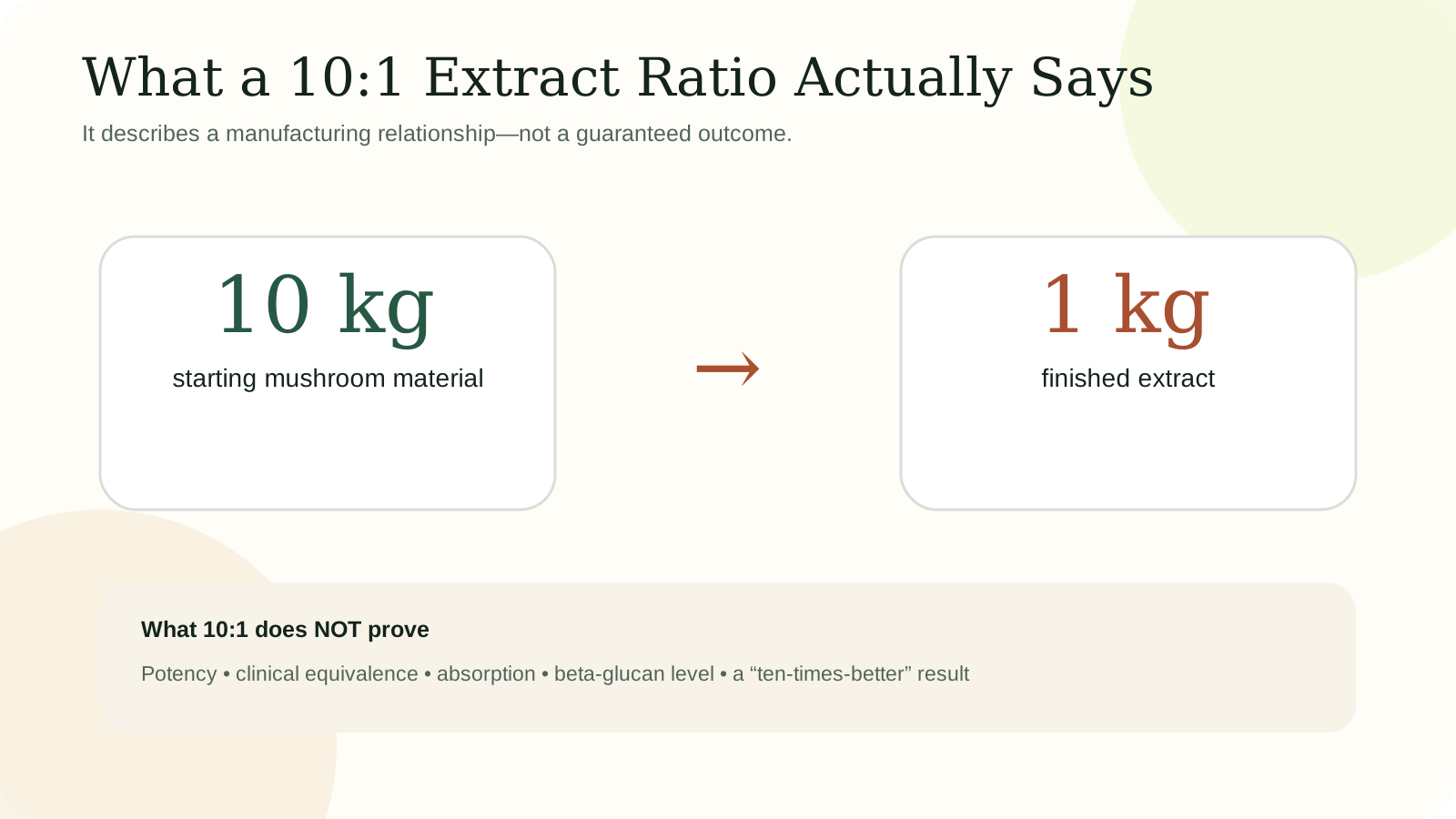
That ratio does not authorize you to multiply a 500 mg serving into an imaginary 5,000 mg clinical dose. Processing losses, water, solvents, marker compounds, and product definitions matter.
Ratio is not the whole label
Five missing pieces
- Species and fungal material
- Extraction solvent and process
- Finished serving weight
- Marker-compound or beta-glucan testing
- Whether the ratio refers to raw equivalent, input, or verified output
Direct answers
Frequently asked questions
What does 10:1 mean?
It usually describes ten units of starting material used to produce one unit of extract, but definitions and processes should be verified.
Can I multiply a 500 mg 10:1 extract into 5,000 mg?
That raw-equivalent arithmetic does not establish clinical equivalence, compounds retained, or product potency.
Is 14:1 always better than 10:1?
No. Species, process, serving, testing, markers, and intended use matter.
Keep the decision connected